


The Fathers We Are Raising Too: Why Modern Fatherhood Matters


As a doctor working with mothers and babies, I spend a great deal of time thinking about mothers.
I think about the physical demands of pregnancy, the recovery after birth, the challenges of breastfeeding, the identity shifts that accompany becoming a parent and the hormonal changes that continue long after the baby arrives.
But over the years, I have found myself paying closer attention to someone else in the room - the father.
Fathers have always mattered but fatherhood itself seems to be changing.
When I first started practising, it was still relatively common for fathers to play a more peripheral role during pregnancy and the early postpartum period. Many were deeply committed to their families, but social expectations often placed them in the role of provider first and caregiver, only second.
Today's fathers are different. They come to breastfeeding consultations, ask thoughtful questions about labour, infant sleep, milk supply, and child development. They learn how to wear babies in carriers, settle newborns, and recognise feeding cues. They take paternity leave when they can. They want to be involved, not because they have to but because they genuinely want to be.
Most pregnancy and parenting support remains directed towards mothers, understandably, as we undergo enormous physical and emotional changes. But in focusing on mothers, I suspect we may have overlooked something crucial.
When a baby is born, a father is born too.
A man who previously understood himself primarily as a partner, professional, son or friend suddenly finds himself responsible for a tiny human being. His priorities shift, sleep disappears and finances may come under pressure. He may feel joy, anxiety, pride, uncertainty and exhaustion, often all within the same day.
Yet there are remarkably few spaces where fathers are invited to talk openly about these experiences.
The irony is that supporting fathers is not only good for fathers.
It is good for mothers.
It is good for babies.
It is good for families.
Some of the strongest predictors of a mother's postpartum wellbeing are not found in a blood test or a scan. They are found in the quality of support surrounding her.
A supportive partner can influence breastfeeding success, confidence, mental health and the overall experience of early parenthood.
In other words, when we support fathers, we are often supporting mothers too.
This has become increasingly apparent to me in recent years. Many of the fathers I meet do not want to stand on the sidelines. They want practical skills. They want guidance. And sometimes, they simply want reassurance that what they are experiencing is normal.
Perhaps this reflects a broader shift in society.
As Father's Day approaches, I find myself feeling grateful for the many fathers I have met over the years.
The ones carrying babies through the night.
The ones attending appointments because they want to understand.
The ones supporting breastfeeding without ever receiving much recognition for it.
The ones trying their best.
Parenthood has never been solely about raising children. It is also about raising parents.
And perhaps one of the quiet opportunities in modern healthcare is recognising that we are not only supporting mothers through that journey.
We are raising fathers too.
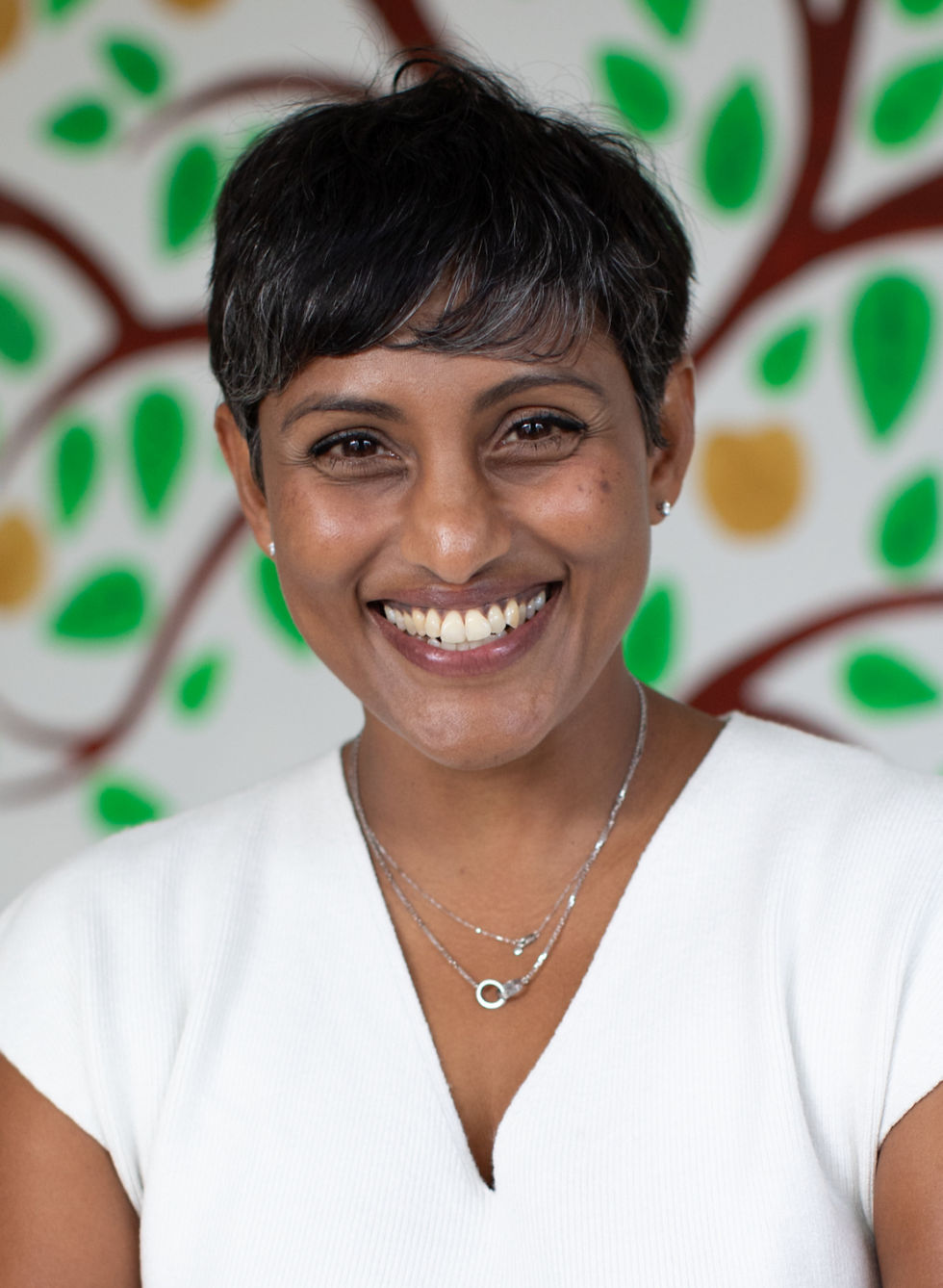
Dr Mythili Pandi is a Family Physician, IBCLC, and Director of Mother & Child Singapore, which has provided lactation and breastfeeding support to families since 1994.

Comments